
Taking your electric car abroad—without making charging the main event

Népszerű írások:

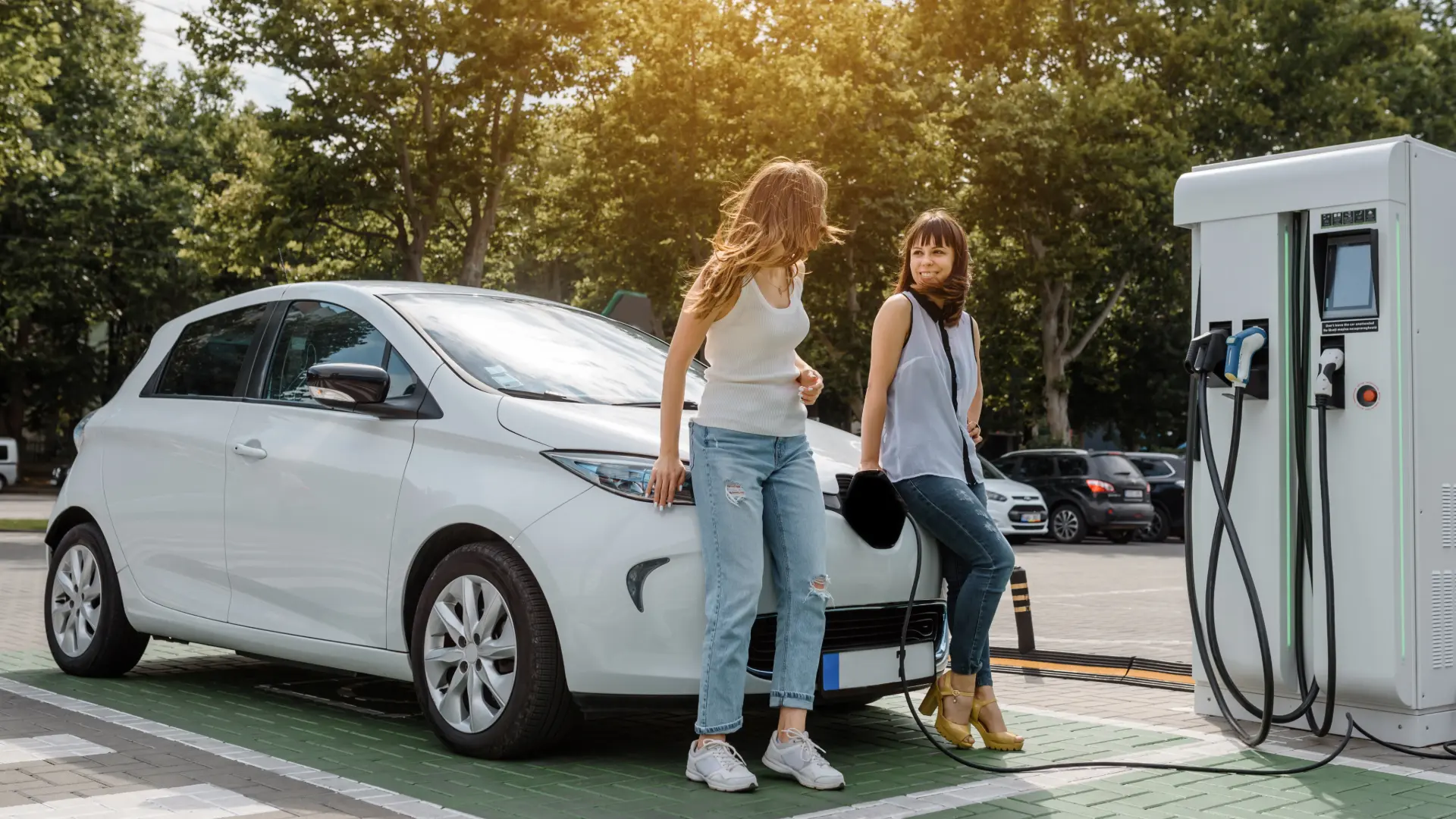




You are heading from Vienna towards the Slovenian coast, or driving south from Munich for a week in northern Italy. The interesting questions should be where to have lunch and whether there is time for a scenic detour. Instead, you find yourself comparing chargers before you have even packed.
The aim is not to build a holiday around battery percentages. It is to make charging fit the day you already want to have.
A useful plan answers three questions: where could we stop, how much energy do we need, and what is our alternative?
Plan a journey, not a chain of charging stations
Start with your destination, preferred route and arrival window. Add the stops that matter to the people travelling: lunch, a proper rest, perhaps a town you would like to explore.
Then check charging along that itinerary. Use your actual vehicle variant, starting battery level and realistic consumption, rather than assuming the headline range will apply to a loaded motorway trip.
Compare the whole stop, not just the advertised charging time. A detour, awkward access or a queue can outweigh a faster charger.
For a ferry, a timed check-in or another fixed appointment, leave room for delays. A charging estimate is not an appointment you can guarantee to the minute.
Start with the right charge for the first leg
A long driving day can justify charging above your usual daily limit, including to 100% when the range is needed and the manufacturer recommends it. That is different from saying every trip abroad needs a full battery. Follow the guidance for your particular car and battery.
When using a high departure charge, aim to finish charging close to departure rather than leaving the car full for days.
No home charger? Arrange the necessary top-up around an errand or another stop before departure, rather than beginning the holiday with a compulsory charging session.
Think about the first useful break, not the furthest distance you could theoretically cover.
Charge for the next leg—not automatically to 100%
Fast charging does not maintain its maximum power throughout a session. As the battery fills, charging typically slows, so reaching 100% can take disproportionately longer than stopping earlier. Partial charges often make more sense on a long journey.
The familiar 10–80% charging figure is a comparison window, not a road-trip rule. You do not need to arrive nearly empty, nor stay until exactly 80%. Charge for the next leg, with a reserve appropriate to the route.
A longer stretch with few alternatives, or an overnight destination without charging, may justify staying longer.
Before unplugging, ask: can we reach the next planned stop, and still change our minds? That is more useful than asking whether the battery looks sufficiently full.
Give the charging stop another job
Suppose lunch is already part of your drive through Austria towards the Adriatic. Look for charging near a suitable place to eat, rather than scheduling lunch and charging as two separate interruptions.
For a shorter stop, a coffee, toilets and a walk may fit the energy you need. Check the surroundings, not just the pin: is the café open, and can you actually walk to it from the charging area?
Do not delay a necessary rest because the battery is not ready for its “ideal” charging window. The driver’s needs come first.
Confirm that charging has started before walking away. Set a notification where available, and move the car when the session ends. A leisurely meal is easier to enjoy when you are not occupying a charger unnecessarily.
Match the charger to your car and your stop
A charger’s headline output is a ceiling, not a promise. A car limited to 100 kW will not accept 350 kW simply because it is plugged into a more powerful unit. Battery temperature, charge level and station limitations also affect the result.
For a brief motorway stop, DC rapid charging usually makes sense. For several hours of sightseeing or an overnight stay, slower AC charging may fit better. Check the car’s AC capability as well as its DC maximum.
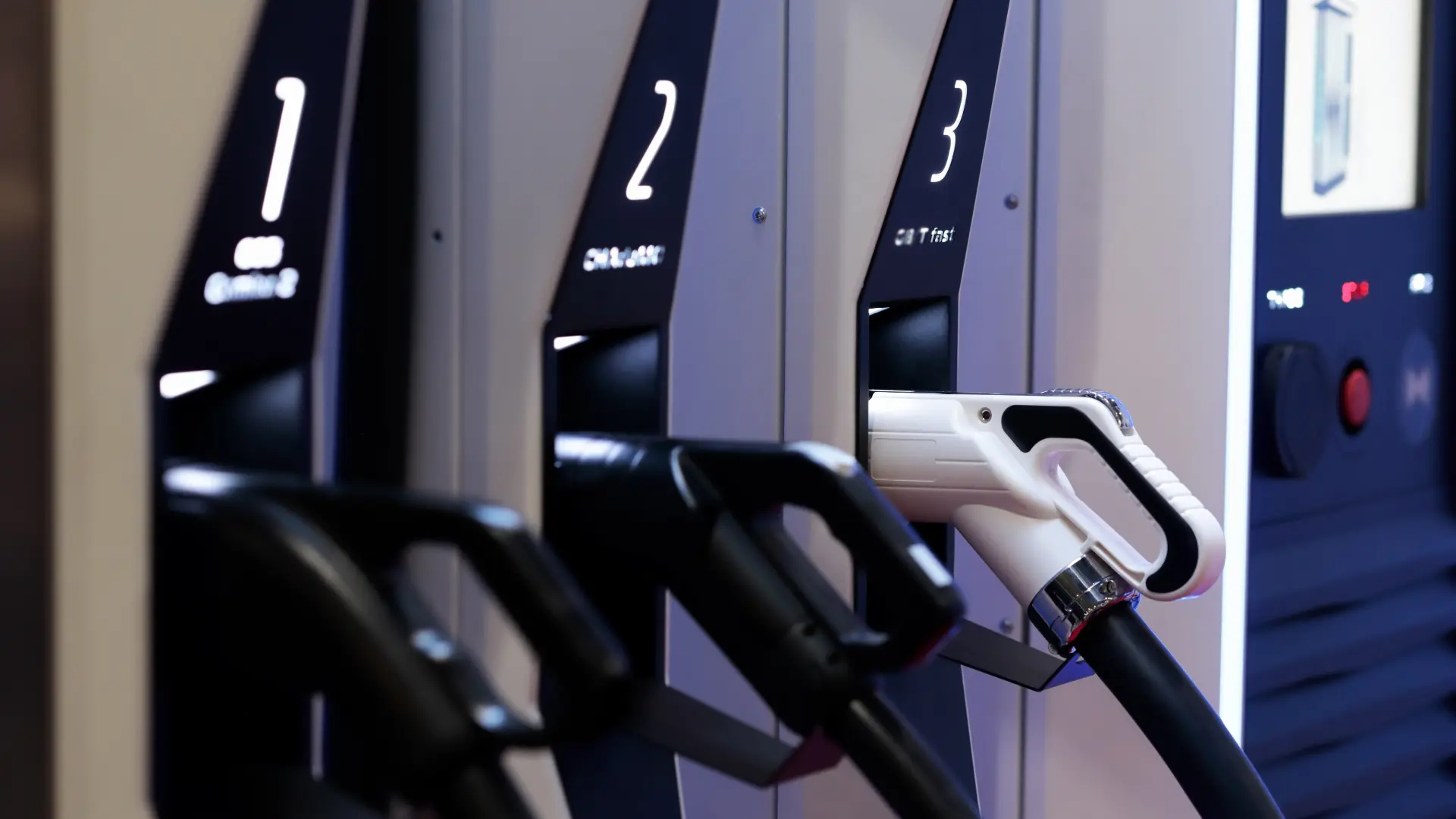
Across Europe, Type 2 is the usual AC connection and CCS2 the usual DC connection. Older vehicles and imports can differ, so confirm your car’s connector requirements. Bring your own suitable AC cable where the planned station requires one.
Make the backup reachable
Check operating status, compatible connectors, access restrictions and opening hours. Prefer a location with several suitable charging points when other factors are similar, and check that it is accessible from your direction of travel. Live occupancy information is useful, but it cannot reserve a space for your arrival.
Save a second location while you still have choices. Another connector at the same site will not cover every possible site-wide problem.
A practical reserve is enough energy to reach that alternative in the conditions you are experiencing—not a universal percentage. When the predicted arrival charge starts falling, adjust the plan early rather than waiting until the last convenient exit is behind you.
Cross-border charging: check access and price separately
Roaming can let one app or charging card work across several networks. It does not mean every charger is included, or that every country and payment method has the same price. Check support for the specific charging point.
Before starting, review the tariff attached to the method you will actually use: the energy price, any session or time-based charges, and separate parking costs. Check the billing currency too.
Sign in and check payment settings before departure. Have a second verified way to start and pay for charging, and check your mobile data arrangements. A bank card is useful backup, but do not assume every planned stop offers the same card-payment facilities.
Let the conditions change the plan
Cold weather, headwinds, higher motorway speeds and roof-mounted luggage can affect consumption. Climbing also needs additional energy; descending can recover some, not all, of it. Use the route-specific arrival estimate rather than relying on your familiar summer range.
Traffic delays deserve time and energy allowance: cabin heating or cooling still uses energy while the car is stationary. Recheck your reserve if a delay becomes substantial.
Battery preconditioning can help with fast charging when your car supports it. Follow its instructions: this often requires selecting the charger in the built-in navigation. Planning in a separate app does not necessarily trigger battery preparation.
Use digital tools, then get back to the journey
Tools such as EV.app support route planning and charger comparison, helping you choose stops that fit the trip rather than simply finding the nearest pin.
Finally, plan beyond arrival. Ask the accommodation about charger access, availability and fees rather than relying on a charging icon. Without confirmed destination charging, keep enough energy for your first local journey and the next suitable charger.
Before-you-go checklist
- Route and breaks: sensible stops, manageable detours and room for delays.
- Departure charge: enough for the first leg, following the car’s guidance.
- Charging locations: compatible, accessible and backed by a reachable alternative.
- Payments: working login, checked tariff, backup method and mobile data.
- Destination: confirmed charging arrangements or enough energy for what comes next.
A good EV road-trip plan does not remove every uncertainty. It gives you options without demanding your attention all day. Charging can then become one useful part of the journey—not the thing you remember most about it.