

Népszerű írások:
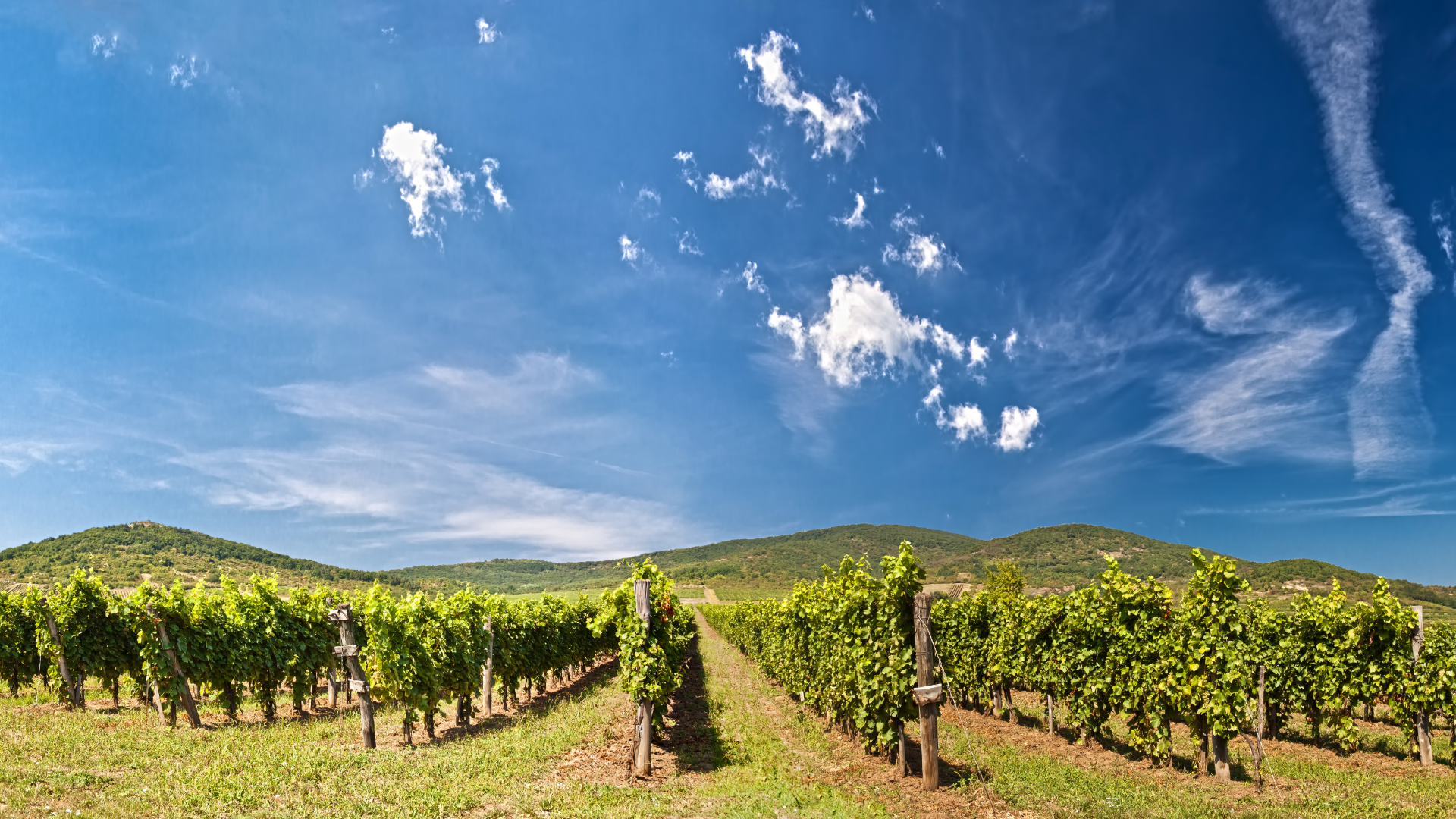




A hillside view that makes you put your phone away is a good reason to leave Budapest for the weekend. So is a long lunch, or a conversation that sends you home knowing a little more about a place.
For this EV.roadtrip, head out of Budapest towards Tokaj, in north-eastern Hungary. Give the journey a little preparation, then leave room for the destination. There is no need to fit an entire wine region into one afternoon.
Budapest to Tokaj: the journey in perspective
Allow roughly 230 kilometres from Budapest to Tokaj, depending on your starting point and chosen route. In favourable conditions, driving takes a little over two hours. A more generous planning allowance is around two and a half to three hours, with longer breaks added separately. Much of the journey typically follows the M3 motorway corridor.
Tokaj is both a town to explore and a starting point for visiting the wider Tokaj-Hegyalja wine region. Its historic vineyard-and-cellar landscape is UNESCO-listed, but you do not need a detailed knowledge of wine to appreciate it.
For a day trip, we would pair Tokaj with nearby Tarcal and leave time for lunch. Staying overnight gives you room to add Hercegkút without turning the afternoon into a race. Remember that the headline distance covers the outward journey, not your village visits or the drive back.
Let the car shape the charging plan, not the whole holiday
Some EVs, starting with sufficient charge, may cover the Budapest–Tokaj journey without a charging stop. Others may need one or more. Battery capacity, your starting charge and the route all matter; motorway speeds, colder weather and cabin heating can also change energy use.
EV.app’s route planning takes the vehicle, battery level and charging needs into account. Instead of manually building a route around individual chargers, you can use those details to get a plan suited to the car you are actually driving.
Check that the vehicle details and starting battery level are correct, then review the suggested journey before leaving. Treat the result as an estimate, not a promise, and include your plans after arrival.
That last point matters. Reaching Tokaj is not the same as having enough energy for a day of exploring and the return journey. Equally, needing a charging break does not make the trip a failure. It simply gives you one more practical detail to fit into the day.
Once you arrive, let the pace change
Walk through Tokaj before driving elsewhere
Tokaj sits where the Bodrog meets the Tisza. Start with a walk around town and towards the riverside rather than immediately setting off for the next attraction.
Make this your deliberately unstructured stop. Find somewhere for coffee, look around, and decide what deserves more time. Not every part of a road trip needs a booking confirmation. You might enjoy a short town walk more than the extra attraction you would otherwise squeeze in.
See the landscape from Tarcal
In Tarcal, look for the panorama walk leading to the Áldó Krisztus statue, whose name means “Blessing Christ”. The hillside viewpoint and nearby former quarry lake offer a different perspective on the area, away from the road and above the village.
We would leave at least an hour for walking and looking around, rather than treating that as a fixed trail duration. Your route, pace and appetite for photographs will decide the rest. Wear comfortable shoes, bring a layer and keep the outdoor part of the day within daylight hours.
An autumn visit is a good excuse to let the view be the activity. You do not need to attach a demanding hike to every worthwhile panorama.
Make a separate trip to the Gombos-hegyi cellars
The Gombos-hegyi cellar row is in Hercegkút, not in Tokaj town. Account for the additional drive when planning your day. Its distinctive triangular cellar fronts sit in tiers along a grassy hillside, with working wine cellars behind them.
Walk around for the architecture, then consider arranging a cellar visit in advance. Ask whether the experience includes the history of the cellar and an introduction to the work that happens there. Non-drinkers can ask about a visit without tasting.
Choose one place where you can spend some time rather than collecting as many cellar stops as possible. A proper conversation may tell you more than another photograph of a doorway.
Autumn brings more than a change of colour
In autumn, yellowing vines and occasional mist give the hills a different character. Leave some time simply to look, rather than planning only around appointments.
Harvest is part of the region’s cultural calendar as well as its winemaking year. Events such as the Tokaj-Hegyalja Harvest Days bring wine, food, music and local traditions together. Check the organisers’ current calendar before choosing dates; a seasonal event is not something to assume will happen on any autumn weekend.
Decide what kind of visit you would enjoy. A festival can become the reason for the trip. A quieter date leaves more room for wandering and longer conversations.
For vineyard walks, use visitor routes or arrange a guided outing. Ask before entering working vineyards. Meeting someone who knows the land can add far more to the visit than simply finding a photogenic row of vines.
Leave room for lunch, and learn the word bobajka
Give a local meal proper space in the itinerary. Ask what is seasonal, what the kitchen would recommend and, importantly, what is for dessert.
Bobajka is a regional relative of mákos guba, Hungary’s poppy-seed bread dessert. Versions made with baked yeast dough, softened with milk and combined with poppy seeds, are particularly comforting after a walk. It is worth remembering the name, although you should check ahead rather than expect it on every menu.
Wine tasting requires its own transport plan. Hungary has zero tolerance for alcohol when driving. Choose a driver who will not drink, or arrange transfers in advance. Staying overnight is not, by itself, a guarantee that you will be fit to drive the following morning.
Make a useful break do two jobs
When your route calls for charging, look for a stop that also suits your passengers. A suitable charging location might let you take the coffee or meal break you already wanted. For longer stays, such as overnight parking, slower AC charging can be a useful option where available.
Confirm accommodation charging directly: ask about connector compatibility, access, reservations and costs. Do not build your return journey around an unconfirmed hotel amenity. Move out of the charging bay when your session ends.
At a rapid charger, reaching 100% need not be the objective. Charging generally slows towards the top of the battery, so plan around the energy needed for the next leg and a sensible reserve. Check the predicted session time rather than assuming every charge will fit into a quick coffee.
Before leaving Budapest
Check motorway-vignette coverage for your route. Hungary uses an electronic vignette system; with a rental car, ask what is included rather than buying a duplicate or assuming you are covered.
Review opening arrangements, bookings and charging information shortly before departure. Keep an alternative charging option in mind, and plan the return with your actual battery level. Preparation should leave you more room to enjoy the trip, not become a second itinerary to manage.
By the time you head home, the memorable details should be the view from Tarcal, the cellar conversation or the dessert you had not heard of before.
Charging helped you get there. What happened after you parked is the story.