
Popular articles
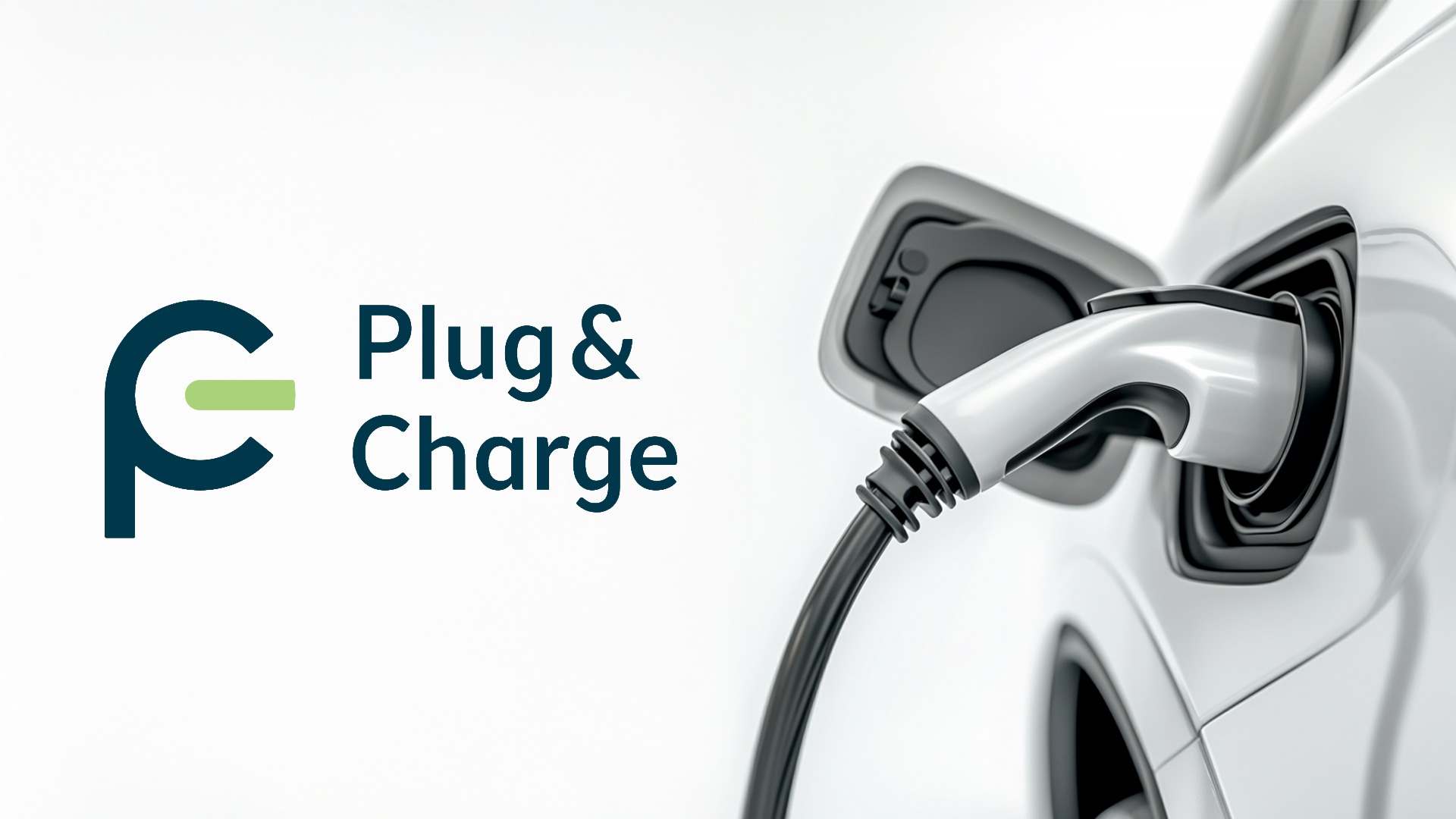

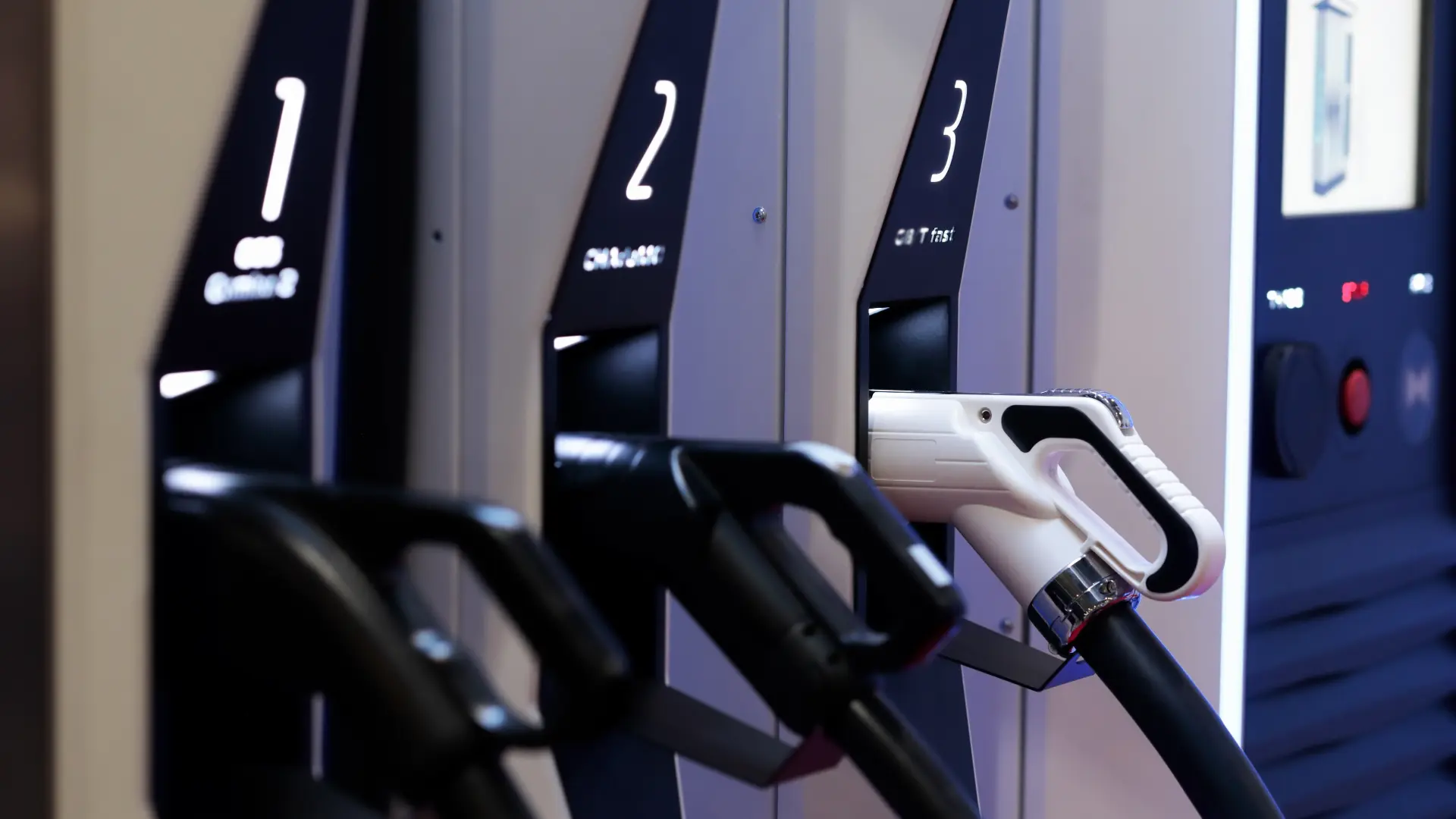



You've pulled into a motorway service area, found an available charger and plugged in your electric car. Normally, this is where you'd reach for your phone, open a charging app or find your RFID card.
With Plug & Charge, you can skip that part.
The car identifies itself, the charging station checks your authorisation, and the session starts automatically. The payment is handled through a charging contract you've already set up.
Sounds straightforward. And when everything is compatible, it really is. But there's quite a bit happening behind that single cable connection.
What exactly is Plug & Charge?
Plug & Charge is a technology that allows a compatible electric vehicle to automatically authenticate itself at a charging station, without the driver having to use an app, payment card or RFID charging card to start the session.
It works using ISO 15118, an international standard that defines how electric vehicles and charging equipment communicate.
Instead of asking you to prove that you're authorised to charge, the station receives secure digital credentials from the vehicle.
Those credentials are linked to a charging contract. Once the system verifies them, it authorises the session and charging can begin.
The result? One less thing to do at every charging stop.
There's an important distinction, though: Plug & Charge automates authorisation and billing. It doesn't mean charging is free, and it doesn't change how quickly your battery can accept energy.
How does Plug & Charge actually work?
Think of it as a digital check-in that happens between your car, the charger and the charging service provider.
Here's what happens behind the scenes.
Before your first charging session
You need a compatible charging contract and a digital certificate associated with your vehicle.
This certificate acts as a secure credential. It allows the system to verify that your car is connected to a valid charging agreement.
Depending on the manufacturer and charging provider, initial activation may take place through a vehicle app, an online account or the car's infotainment system.
Once the necessary certificate is installed and activated, you're ready to use compatible chargers.
When you plug in
The vehicle and charging station establish a communication connection.
They exchange the information required to determine whether Plug & Charge can be used, then carry out the relevant authentication process.
The car presents its digital certificate, and the charging infrastructure verifies the credentials and authorisation.
If everything checks out, the charger starts delivering energy.
All of this can happen within seconds, without any additional action from the driver.
When you finish charging
You end the session using the vehicle or charging station's supported controls, just as you would with a regular charging session.
The charging provider processes the transaction according to your contract. Any applicable energy, time-based or other fees are handled through the associated billing arrangement.
You don't need to complete a separate checkout process at the charger.
Plug & Charge vs charging apps vs RFID cards
All three methods serve the same basic purpose: identifying an authorised charging customer and connecting the session to the correct billing account.
What changes is the way that identification happens.
| Method | What the driver does | How authorisation works |
|---|---|---|
| Charging app | Selects the charging point and starts the session in an app. | The service provider checks the user's account. |
| RFID charging card | Taps a card against the reader. | The card is associated with an authorised account. |
| Plug & Charge | Connects the charging cable. | The vehicle authenticates automatically using digital certificates. |
Plug & Charge doesn't replace the charging provider or the payment agreement. It simply removes the need to present your credentials manually each time.
That distinction matters, especially when you use several charging networks on longer trips.
Why is Plug & Charge useful?
Faster, less fiddly charging stops
At a busy motorway service area, you probably want to grab a coffee, stretch your legs and get back on the road.
Opening an app or tapping a card isn't difficult, but removing that step makes the experience smoother.
There's no need to search for the correct charging app or stand in the rain waiting for a screen to respond.
Your phone isn't needed at the charger
Once Plug & Charge has been configured, you don't need to open an app to authorise a compatible session.
That's particularly useful when your phone battery is running low or mobile reception is poor.
The charging station and its backend still need to function correctly, but the driver's phone is no longer part of the authentication step.
Secure identification
Plug & Charge uses digital certificates and encrypted communication to support secure authentication.
Rather than relying on a manually entered code or a physical card, the charging infrastructure can verify the credentials associated with the vehicle and its charging contract.
That gives the process a consistent, standards-based security foundation.
A more familiar experience
Most drivers don't think twice about plugging their car into a home wallbox.
Plug & Charge brings a similar level of convenience to compatible public charging stations.
The difference is that public charging also needs to identify who should receive the bill.
Plug & Charge takes care of that part in the background.
What do you need to use Plug & Charge?
Four things need to work together.
1. A compatible vehicle
Your electric car must support the relevant Plug & Charge functionality. Availability can depend on the vehicle model, model year, software version and market.
Some cars support it from the factory. Others may require a software update or activation in the vehicle settings.
2. A compatible charging station
The charging point needs the necessary communication capabilities and software to support Plug & Charge.
A charger being labelled as a fast or ultra-rapid charger doesn't automatically mean the feature is available.
3. A participating charging service provider
You need a charging contract that supports Plug & Charge with your vehicle and the network you intend to use.
Your car can't simply authenticate against every charging provider in the world.
4. A valid digital certificate and billing setup
Your charging contract needs to be correctly associated with the vehicle, and the necessary certificate must be installed and valid.
You'll also need an appropriate payment or billing arrangement with your provider.
After that initial setup, compatible charging sessions can begin automatically.
Why doesn't every EV or charging station support it yet?
If Plug & Charge is based on an international standard, shouldn't it just work everywhere?
Not quite.
The standard provides the technical foundation, but manufacturers, charging operators and mobility service providers still have to implement it and make their systems work together.
There are several reasons adoption takes time.
Vehicles have different capabilities
Older electric cars may not have the hardware or software required for Plug & Charge.
Even within the same model family, support can depend on the production year or installed software.
And while an update can unlock the functionality on some vehicles, it can't necessarily add capabilities that the underlying hardware doesn't support.
Charging infrastructure varies
Public charging stations have been installed over many years, using different hardware generations and backend systems.
Some already support ISO 15118-based authentication. Others may require upgrades, and some may not support the feature at all.
Plug & Charge is most established at DC fast-charging stations, although the technology can also support AC charging where the equipment and services are compatible.
The business systems also need to agree
The vehicle manufacturer, charging point operator and charging service provider may be three separate companies.
Their systems need to manage certificates, verify contracts and route transactions correctly.
That requires more than plugging a charger into the internet. It takes technical integration and commercial cooperation.
So even when both the car and charger are Plug & Charge capable, a particular charging contract may not be supported.
Is Plug & Charge the same as Autocharge?
They can feel almost identical from the driver's seat, but they aren't the same technology.
Autocharge generally uses a vehicle identifier available during charging communication to recognise a previously registered car and link it to a charging account.
Plug & Charge uses the ISO 15118 framework and cryptographic certificates for authentication.
Both can start charging automatically, but their setup, security approach and compatibility requirements are different.
If a network advertises automatic charging, it's worth checking which system it uses.
How to try Plug & Charge on your next trip
Before relying on it during a road trip, check the basics.
- Check your vehicle: look for Plug & Charge support in the manufacturer's documentation or vehicle settings.
- Check your charging contract: confirm that your provider supports the feature and that activation is complete.
- Check the charging network: make sure Plug & Charge is supported for your vehicle and contract at the intended station.
- Keep a backup: having a charging app or RFID card available is sensible in case automatic authentication fails.
It's also worth checking the charging tariff before connecting.
Automatic billing doesn't automatically mean the best price. The cost still depends on your charging contract, provider and any applicable fees.
The ideal charger is still the one that suits your journey, battery, time and budget — not simply the one that starts most conveniently.
The best charging experience is the one you barely notice
Plug & Charge won't make an EV charge faster or extend its range.
What it can do is remove a small but repetitive task from public charging.
As more vehicles, charging networks and service providers adopt compatible systems, the experience should become increasingly seamless.
The technology can handle the authentication. You can focus on where you're going next.
Plug in. Charge up. Get moving.